MangoApps Achieves HITRUST Certification: What It Means for Regulated-Industry Customers
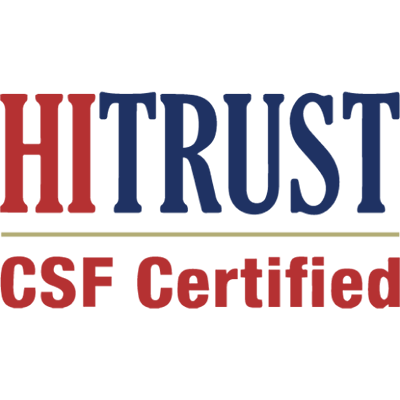
HITRUST Risk-based, 2-year (r2) certification is one of the most demanding security validations available in enterprise software. MangoApps earned it in September 2022, becoming the first modern digital workplace platform to achieve this status. For organizations in healthcare, financial services, and other regulated industries, that distinction is not a marketing claim — it reflects two years of internal process work, independent assessment, and multi-layer quality review before a certificate is issued.
This article explains what the certification is, how the assessment process works, what it actually validates, and what healthcare and compliance-focused organizations should understand when evaluating MangoApps for employee communications and intranet needs.
What HITRUST certification actually requires
The Health Information Trust Alliance (HITRUST) was founded in 2007 to address a structural problem in regulated industries: organizations were managing compliance with dozens of overlapping frameworks — HIPAA, NIST, SOC 2, ISO 27001, PCI-DSS — through separate audits with separate evidence packages and separate timelines. For both vendors and the customers evaluating them, this created redundant work and made security posture comparisons difficult.
HITRUST created the Common Security Framework (CSF) to consolidate that landscape. The CSF maps requirements across the major regulatory frameworks into a unified control set. An organization that achieves HITRUST r2 certification has demonstrated compliance with that unified framework through a validated, externally assessed process — not self-attestation or a vendor questionnaire.
The r2 tier is the most comprehensive certification level HITRUST offers. It requires an organization to document its controls across several hundred CSF requirements, submit to an assessment by a HITRUST-authorized external assessor who validates each claim with evidence, and then pass HITRUST's own internal quality assurance review — both automated and manual — before certification is issued.
That QA layer is what distinguishes HITRUST r2 from SOC 2 or ISO 27001 certifications. A SOC 2 audit is rigorous, but the assessor's conclusions are not independently reviewed by a third oversight body. HITRUST's assurance program includes that additional check. For Bimal Sheth, Executive Vice President of Standards Development and Assurance Operations at HITRUST: "The HITRUST Assurance Program is the most rigorous available, consisting of a multitude of quality assurance checks, both automated and manual. The fact that MangoApps has achieved HITRUST Risk-based, 2-year Certification attests to the high quality of their information risk management and compliance program."
The certification is also not permanent. HITRUST r2 status is valid for two years, with interim assessments during that period. Vendors that fail to maintain their controls during the certification window can have certification revoked. For procurement teams reviewing a vendor's security posture, that ongoing accountability is meaningful.
Why regulated industries use HITRUST as a procurement gate
Organizations in healthcare frequently use HITRUST status as a hard requirement during vendor evaluation. The reason is practical: under HIPAA's Business Associate Agreement (BAA) requirements, a covered entity that shares protected health information (PHI) with a software vendor assumes residual liability for how that vendor handles the data. Demonstrating that due diligence was applied to vendor selection — including evidence of the vendor's security controls — is essential to managing that liability.
HITRUST certification provides that evidence in a form regulators and auditors recognize. An organization that can point to a current HITRUST r2 certificate from a vendor has a documented, independently verified basis for the claim that the vendor manages PHI appropriately. That documentation holds up under audit and, in the event of a breach investigation, demonstrates that reasonable precautions were taken in vendor selection.
For non-healthcare organizations in financial services, government contracting, and adjacent regulated sectors, the logic is similar. The HITRUST CSF maps to PCI-DSS, NIST 800-53, FedRAMP, and other applicable frameworks. A vendor holding HITRUST r2 certification has demonstrated compliance with multiple frameworks simultaneously — reducing the security review burden for both parties during procurement.
Organizations that are themselves subject to regulatory examination benefit from a streamlined vendor review when the vendor holds HITRUST certification. Instead of requesting separate evidence packages for each applicable framework, the review starts from the HITRUST certificate and associated documentation, which already covers the major frameworks the customer is likely to need.
What MangoApps' certification validates for current customers
The certification applies to MangoApps' digital workplace platform — the same platform that handles employee communications, intranet content, document management, task coordination, and frontline worker operations.
For organizations currently using MangoApps in regulated environments, the certification documents several things that previously may have relied on vendor assurances:
Data handling controls are independently validated. The controls that govern how customer data is stored, processed, and protected have been assessed by an authorized external party and reviewed by HITRUST. The organization's information risk management and compliance program is not self-reported — it is certified.
The scope covers the operational platform. The certification is not limited to a specific product feature or a subset of the infrastructure. It reflects the information security posture of the platform that customers are actively using.
Compliance documentation is available for customer audits. Organizations that face their own regulatory examinations can reference MangoApps' HITRUST certification as vendor due diligence documentation. The underlying evidence is structured to support that use case. This reduces the preparation burden on both sides during procurement renewals and compliance cycles.
BAA execution has a documented security basis. Healthcare organizations that share PHI through the platform — for example, using MangoApps for clinical staff communications, scheduling notifications, or HR document distribution — can execute a Business Associate Agreement with a documented security foundation. HITRUST certification is often the specific prerequisite that makes BAA negotiations straightforward rather than extended.
What prospective customers should ask during evaluation
For organizations currently in procurement, HITRUST r2 certification shifts the relevant questions. The foundational question — does this vendor have a serious security program? — has an externally validated answer. The more productive evaluation conversations focus on scope and continuity.
Which CSF control categories does the certification cover? The HITRUST CSF maps to HIPAA, NIST 800-53, ISO 27001, PCI-DSS, and others, but the specific controls assessed may vary. Organizations with particular regulatory obligations should confirm which categories are in scope for the MangoApps certification and whether those categories address their compliance requirements.
How does certification scope interact with deployment architecture? MangoApps supports public cloud, private cloud, and on-premise deployments. HITRUST certification scope and applicable controls can vary by deployment model. IT and compliance teams should clarify this during the technical review — not after contract execution.
What does the renewal timeline look like? HITRUST r2 certification is valid for two years. Organizations entering multi-year contracts should verify when the certification was issued and when renewal assessment is expected, to confirm that certification remains current throughout the contract period. Certification continuity is a reasonable question to include in contract terms.
What BAA terms apply and what do they cover? HITRUST certification enables BAA execution but does not define the BAA's specific terms. Healthcare organizations should request the BAA template during the sales process and review scope definitions, data processing descriptions, and breach notification requirements before signing. The earlier in the process this review happens, the smoother the execution.
How HITRUST compares to other security certifications in vendor evaluations
Procurement teams evaluating digital workplace vendors encounter several types of security certification. Understanding how they relate to each other — and to HITRUST — clarifies what each one actually validates.
SOC 2 Type II is the most common security certification in enterprise SaaS. It assesses the operating effectiveness of controls related to security, availability, processing integrity, confidentiality, and privacy over a defined audit period, typically six to twelve months. SOC 2 Type II is rigorous and meaningful, but its scope is narrower than HITRUST in regulatory framework coverage, and there is no independent QA layer that reviews the assessor's conclusions.
ISO 27001 is an international standard for information security management systems. It requires independent auditing and ongoing surveillance, making it comparable to SOC 2 in rigor. It covers information security broadly but does not include the HIPAA-specific control mappings that U.S. regulated healthcare organizations require.
HITRUST r2 maps to more regulatory frameworks simultaneously than either SOC 2 or ISO 27001, requires a more prescriptive evidence package, and includes HITRUST's own quality review of the assessor's work. For healthcare procurement specifically, HITRUST r2 functions as the single sufficient credential because it addresses HIPAA, state regulations, and broader security frameworks in one assessed, documented package.
For organizations where HITRUST is the industry standard — healthcare, health-adjacent, and federally regulated environments — a vendor holding current HITRUST r2 certification removes a significant portion of the security review process. For organizations where HITRUST is not a hard requirement, SOC 2 Type II and ISO 27001 address most of the same underlying concerns. The practical question for procurement teams is which certifications their own regulatory context requires.
Compliance posture as a long-term vendor evaluation criterion
Achieving HITRUST r2 certification is a milestone, not a conclusion. The two-year validity period requires the certified organization to maintain the controls assessed during the audit — not just achieve them once. HITRUST's ongoing assurance activities and interim assessments enforce that continuity. Organizations that fail to maintain their controls face certification revocation rather than a quiet expiration.
For regulated-industry organizations selecting a long-term platform partner, that ongoing commitment is as relevant as the initial achievement. A vendor that entered the HITRUST certification process two years before earning it, and that maintains certification through subsequent renewal cycles, has demonstrated an institutional investment in security infrastructure — not a certification completed once for procurement purposes.
The HITRUST CSF itself evolves as the regulatory environment changes. New control categories are incorporated, existing mappings are updated, and assessment methodology is refined based on emerging threats and regulatory guidance. Organizations maintaining HITRUST certification remain calibrated to those changes across renewal cycles — which means customers of HITRUST-certified vendors benefit from that ongoing calibration without having to track individual regulatory changes themselves.
Practical steps for compliance-focused organizations
For organizations considering MangoApps in regulated environments, or currently using the platform and updating vendor risk documentation, the concrete steps are straightforward.
Request the current HITRUST certification documentation and verify that the certificate is active, the scope covers the deployment configuration you're using, and the validity period extends through your contract term. For healthcare organizations, confirm BAA availability and review the agreement's specific terms before contract execution.
For internal compliance documentation, the certification provides externally validated evidence that MangoApps meets the control requirements of the frameworks mapped in the HITRUST CSF. Reference the specific CSF categories relevant to your regulatory obligations in your vendor risk assessment.
For IT teams managing the MangoApps deployment, the certification's existence does not eliminate the need for internal security review — it provides a validated baseline to build from. Your organization's access controls, data classification practices, and incident response integration with the platform are complementary to the vendor's certification.
MangoApps' HITRUST r2 certification answers the foundational security questions that regulated-industry organizations bring to vendor evaluation. For healthcare and compliance-focused organizations building the business case internally, the certification reduces the documentation burden at procurement, supports BAA execution, and provides a validated basis for ongoing vendor risk management throughout the contract lifecycle.
The MangoApps Team
We're the product, research, and strategy team behind MangoApps — the unified frontline workforce management platform and employee communication and engagement suite trusted by organizations in healthcare, manufacturing, retail, hospitality, and the public sector to connect every employee — deskless or desk-based — to the people, tools, and information they need.
We write about enterprise AI for the workplace, internal communications, AI-powered intranets, workforce management, and the operating patterns behind highly engaged frontline teams. Our perspective is grounded in a decade of building for frontline-heavy industries and shipping AI agents, employee apps, and integrated HR workflows that real employees actually use.
For short-form takes, product news, and field notes from customer rollouts, follow Frontline Wire — our ongoing stream on AI, frontline work, and the modern digital workplace — or learn more about MangoApps.